
Introduction: When the Odds Feel Impossible
Asylum cases in the United States are harder to win than they’ve ever been.
National grant rates have fallen to around 7% in recent months. Immigration courts are overwhelmed. Immigration Judges are being fired en masse. Delays stretch into years. For many families, the wait alone feels unbearable, not knowing, not having answers, and living in a state of in-between.
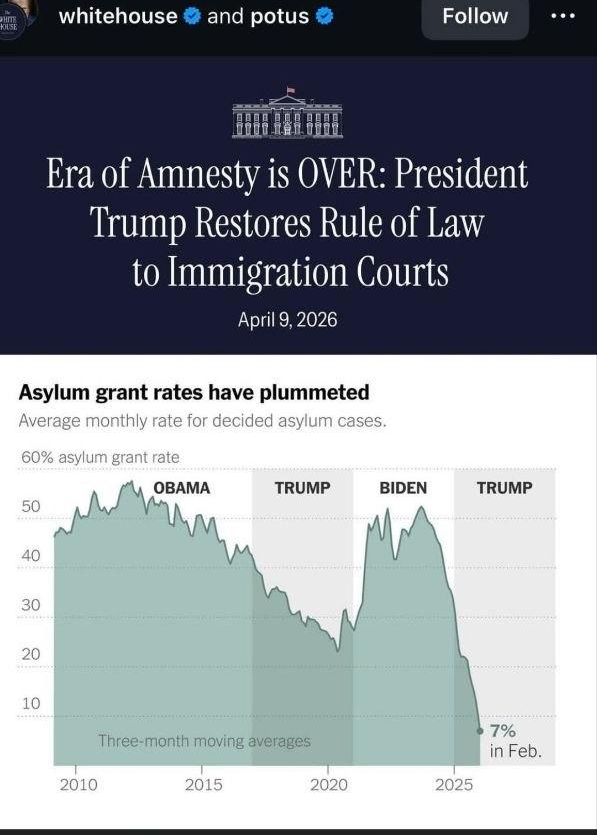
And yet, last week, a family we’ve represented since 2021 walked out of Immigration Court with something that felt, at times, almost unreachable: a granted asylum case.
This is their story and what it means for families still waiting.
What Happened: A Five-Year Journey to Safety
In 2021, a family came to Hughes Law Group seeking asylum protection in the United States. Like many asylum seekers, their path was not straightforward.
Court scheduling delays pushed their individual hearing further and further back. Life brought its own complications, including personal challenges that required the legal team to request a continuance on their behalf. Time passed. The immigration landscape grew more difficult.
Then, last week, attorney Kathryn presented the family’s asylum case before an Immigration Judge.
The judge granted asylum for the entire family.
We are deeply proud of this outcome and deeply grateful to this family for trusting us through every difficult moment of the process.
Why We’re Sharing This Story
We share this because we know how many families are reading headlines right now and wondering: Is it even worth it? Are we going to be okay?
The answer is not a statistic. The answer is a strategy.
This case is proof that the right legal preparation, even through delays, continuances, and an increasingly difficult legal environment, can still produce the outcome a family deserves.
What Is Asylum, and Who Qualifies?
Asylum is a form of legal protection available to people who are already in the United States and who fear returning to their home country because of past persecution or a well-founded fear of future persecution based on:
- Race
- Religion
- Nationality
- Political opinion
- Membership in a particular social group
Asylum protection, if granted, allows someone to remain in the United States legally. It can also provide a path to permanent residency and, eventually, U.S. citizenship.
In plain terms: Asylum is for people who cannot safely return home. It is not a guarantee. It is a legal theory and argument that must be built, documented, and presented effectively.
Why Are Asylum Grant Rates So Low Right Now?
This is one of the most common questions families ask us.
Asylum grant rates have declined significantly over the past several years due to a combination of factors:
- Increased case volume across immigration courts nationwide
- Policy shifts affecting how certain asylum claims are evaluated
- The evolution of unfavorable case law, which makes it easier for Judges to deny applications before they even arrive at a final hearing
- Judicial discretion, which varies significantly by judge and region
The 7% national grant rate cited in recent data reflects a broad average and averages can be misleading. Grant rates vary considerably depending on the country of origin, the type of claim, the quality of legal representation, and the specific Immigration Judge.
A low national rate does not mean your case is hopeless. It means your case needs to be built exceptionally well.
What Makes an Asylum Case Winnable?
The family we represented last week waited five years. They faced delays. They faced hardship. But they won.
Here is what made the difference and what makes any asylum case stronger:
1. A Clear, Documented Narrative
The legal standard for asylum requires showing past persecution or a well-founded fear of future persecution. That means the story must be specific, consistent, and supported by evidence of individualized harm. Vague or general claims are much harder to win.
2. Country Condition Evidence
Immigration judges consider not just what happened to the applicant, but what is happening in the country they are fleeing. Current, credible documentation of conditions in the home country is essential.
3. Consistent Testimony
Credibility is everything in an asylum hearing. Inconsistencies, even small ones, can undermine an otherwise strong case. Preparation for testimony is not optional; it is the foundation.
4. Strategic Legal Argumentation
The law gives attorneys significant latitude in how a claim is framed. Experienced immigration attorneys know how to match the facts of a case to the strongest available legal theory and how to anticipate and address the government’s arguments before they arise.
5. Patience and Persistence
This may sound simple, but it matters: families who stay engaged, who communicate with their legal team, and who don’t give up, even when the process feels endless, are more likely to see their case through to resolution.
How Long Does the Asylum Process Take?
There is no honest, universal answer to this question.
Immigration court backlogs are severe. Individual hearing dates are being scheduled years out in many jurisdictions. The family in our success story waited five years from initial filing to their hearing.
However, the timeline is not destiny. The length of the wait does not determine the outcome of the case. What matters is that the case is properly prepared and maintained throughout the process.
Factors that affect the timeline include:
- Which immigration court has jurisdiction
- Whether an asylum officer interview occurs first
- Court scheduling and Immigration Judge availability
Common Mistakes in Asylum Cases
We have seen strong cases weakened or lost because of avoidable errors. The most common include:
- Missing the one-year filing deadline (in most cases, asylum must be filed within one year of arriving in the U.S.)
- Filing an incomplete application
- Inconsistent statements across different forms, interviews, and hearings
- Inadequate documentation of the feared harm or persecution
- Failure to disclose prior immigration violations, criminal history, or prior applications
- Representing yourself without an understanding of the law or without an experienced immigration attorney
- Letting fear prevent action: waiting too long, missing deadlines, or giving up before the case is resolved
What If Your Case Has Been Delayed?
Delays are extraordinarily common in the current immigration court environment. A delayed case is not a doomed case.
If your hearing has been postponed, continued, or rescheduled, here is what we recommend:
- Stay in contact with your legal team. Communication is critical.
- Keep your address updated with the immigration court. Missing a hearing notice can have serious consequences.
- Continue gathering documentation. Conditions in your home country may have changed; updated evidence can strengthen your case.
- Do not assume your case is moving on its own. Proactive legal management matters.
Special Considerations: When Cases Are More Complex
Some asylum cases involve additional layers of complexity, including:
- Prior deportation orders or removal proceedings
- Criminal history, even minor offenses
- Prior asylum applications referred from USCIS
- Bars to asylum based on past persecutor activity or certain crimes
- Settlement in a Third Country
These factors do not automatically disqualify a person from protection, but they require experienced legal analysis. If any of these apply to your situation, it is especially important to speak with an immigration attorney before taking any action.
When Should You Speak With an Immigration Attorney?
If you are considering an asylum application or if you have an open asylum case and have questions, the answer is: as soon as possible.
Early legal consultation can:
- Help you understand whether you qualify
- Identify potential issues before they become problems
- Ensure you don’t miss critical deadlines
- Create a strategic roadmap for your case
You do not need to have all the answers before speaking with an attorney. That is what the consultation is for.

A Note on What This Victory Means
We celebrated this outcome with genuine joy because behind every case number is a family. Real people who came to us scared, who waited through years of uncertainty, and who trusted us to fight for them.
We do not take that trust lightly.
National statistics can feel overwhelming. The news cycle around immigration can feel relentless and discouraging. But one family’s story (one granted asylum case, five years in the making) is a reminder that the legal system, when navigated with skill and persistence, can still deliver justice.
We will keep fighting for every family that trusts us with their case.
Take the Next Step: Understand Your Options
If you or someone you love has an asylum case open, pending, or not yet filed, the most important thing you can do is get clarity on your specific situation.
Every case is different. The outcome of one family’s case does not predict yours. But understanding your legal standing, your options, and your timeline is always worth doing.
Our intake team offers Free Screening Calls designed to help you understand your situation without pressure and without obligation. You’ll speak with an intake specialist, not an attorney, who will listen to your situation and help determine whether and how Hughes Law Group might be able to help.
Schedule Your Free Screening Call Here
While this week’s story highlights an asylum case, Hughes Law Group handles the full spectrum of immigration matters, including marriage-based green cards, family petitions, and adjustment of status. If your situation involves a family member, we’d love to hear from you.
We look forward to listening.
Hughes Law Group Immigration Law | Asylum | Family | Work Visas
Disclaimer: This blog is intended for general informational purposes only and should not be relied upon as legal advice. Reading this content does not create an attorney-client relationship with Hughes Law Group. If you have questions about your specific situation, we encourage you to speak with a qualified immigration attorney.
Frequently Asked Questions
Q1: What is the current asylum grant rate in the United States?
National asylum grant rates in the United States have dropped to approximately 7% in recent years. However, grant rates vary significantly by immigration court, country of origin, type of claim, and quality of legal representation. A low national average does not mean an individual case cannot succeed.
Q2: How long does an asylum case take in the U.S. immigration court?
Asylum cases currently take an average of several years to reach an individual hearing due to severe immigration court backlogs. Some cases take three to five years or longer. Timeline depends on the specific court, case type, and scheduling availability. Delays do not determine the outcome of a case.
Q3: Can you win an asylum case after years of delays and continuances?
Yes. Delays and continuances are common in asylum proceedings and do not automatically weaken a case. Continued preparation, consistent communication with your legal team, and updated documentation can maintain and strengthen a case through a lengthy process.
Q4: What makes an asylum case stronger in immigration court?
Key factors include a specific and well-documented narrative, consistent testimony, strong country condition evidence, and experienced legal representation. Cases framed with a clear legal theory that matches the facts and anticipates government objections are significantly more likely to succeed.
Q5: What should I do if my asylum case has been delayed or rescheduled?
Stay in close contact with your immigration attorney, keep your address updated with the immigration court, continue gathering supporting documentation, and do not assume the case is progressing without active management. Missing a court notice due to an outdated address can have serious legal consequences.
